Engine oil protects moving parts every time the vehicle starts. It lubricates bearings, pistons, camshafts, timing components, and other internal surfaces while carrying heat and contamination away from high-friction areas.
As the oil ages, heat and combustion gradually weaken its additives. The engine may continue running without an obvious symptom, but protection declines as deposits grow and circulation becomes less effective. Waiting too long between oil changes can allow preventable wear to build until a routine service becomes a costly engine repair.
Old Oil Stops Protecting Parts As Effectively
Fresh oil forms a thin film that keeps metal surfaces separated. It also contains additives that reduce oxidation, control deposits, protect against corrosion, and keep contaminants suspended until the filter can capture them.
Those additives become depleted over time. Fuel, moisture, soot, and tiny wear particles mix with the oil, while repeated heating and cooling changes its viscosity. As the protective film weakens, internal components experience more friction and heat. Bearings, camshafts, piston rings, and cylinder walls can begin wearing faster even when the engine still sounds normal.
Sludge Can Build Inside The Engine
Badly degraded oil can combine with contamination to form sludge. This thick material may collect beneath valve covers, inside the oil pan, and around timing components. It can also restrict the narrow passages that carry lubricant throughout the engine.
Restricted oil flow is especially harmful to variable valve timing systems, timing chain tensioners, turbochargers, and overhead camshafts. These components depend on clean oil reaching them at the correct pressure. Heavy sludge may require extensive cleaning or internal engine work, and removing it does not reverse wear that has already occurred.
The Oil Filter Can Become Overloaded
The oil filter traps debris as the lubricant circulates. When the service interval is extended too far, the filter can become filled with contamination and begin restricting flow. Many filters contain a bypass valve that allows oil to continue moving if the filter becomes clogged.
Bypass operation helps prevent complete oil starvation, but it may allow dirty oil to circulate without full filtration. Abrasive particles can then travel through bearings and small oil passages. Replacing the filter along with the oil removes collected debris and restores the filtration the engine needs.
Oil Pressure Can Begin To Drop
Thick sludge may restrict the oil pump pickup screen, preventing the pump from drawing enough lubricant from the pan. Low oil level can create a similar problem, especially during turns, braking, or acceleration when the remaining oil moves away from the pickup.
Low pressure may cause warning lights, ticking, rattling, or knocking. Timing chain tensioners and hydraulic lifters are often among the first parts to become noisy because they rely on steady oil pressure. If the oil pressure warning appears, shut the engine off safely rather than continuing to drive. Severe damage can occur quickly when lubrication is interrupted.
- Common signs of oil-related trouble include:
- Engine ticking or tapping
- Knocking during acceleration
- Oil pressure warning light
- Burnt oil odor
- Blue or gray exhaust smoke
- Thick oil on the dipstick
- Repeatedly low oil level
- Rattling during startup
These symptoms require more than an oil change reminder reset.
An inspection may be needed to check the oil level, pressure, filter, pump, leaks, and internal engine condition.
Timing And Turbo Components Can Suffer
Many modern engines use engine oil to operate variable valve timing controls and hydraulic chain tensioners. Dirty or thickened oil can delay their movement, restrict small control passages, and contribute to timing faults or startup rattles.
Turbocharged engines place even more heat on the lubricant. The turbocharger shaft spins at extremely high speed and depends on a clean oil supply to protect its bearings. Degraded oil can form deposits inside the oil lines or turbo housing, leading to smoke, reduced power, noise, oil consumption, or complete turbocharger failure.
Low Oil Level Makes The Damage Worse
Engines can consume oil between services or lose it through seals, gaskets, filter housings, drain plugs, and turbocharger components. Extending the change interval gives the level more time to fall without being checked.
A low level means the remaining oil must work harder and become contaminated faster. The engine may run hotter, pressure can drop, and internal surfaces may lose their protective film. Checking the dipstick between visits is an important part of regular maintenance, especially on older or higher-mileage vehicles.
Adding oil restores the level, but it does not remove contamination or replace a loaded filter. Topping off should protect the engine until service can be completed, not replace a full oil and filter change.
Can Fresh Oil Repair Existing Damage?
Fresh oil can restore proper viscosity and additives, but it cannot rebuild worn bearings, damaged piston rings, scored cylinder walls, or a failing timing system. An engine that has developed heavy sludge may also need careful evaluation before aggressive cleaning is attempted.
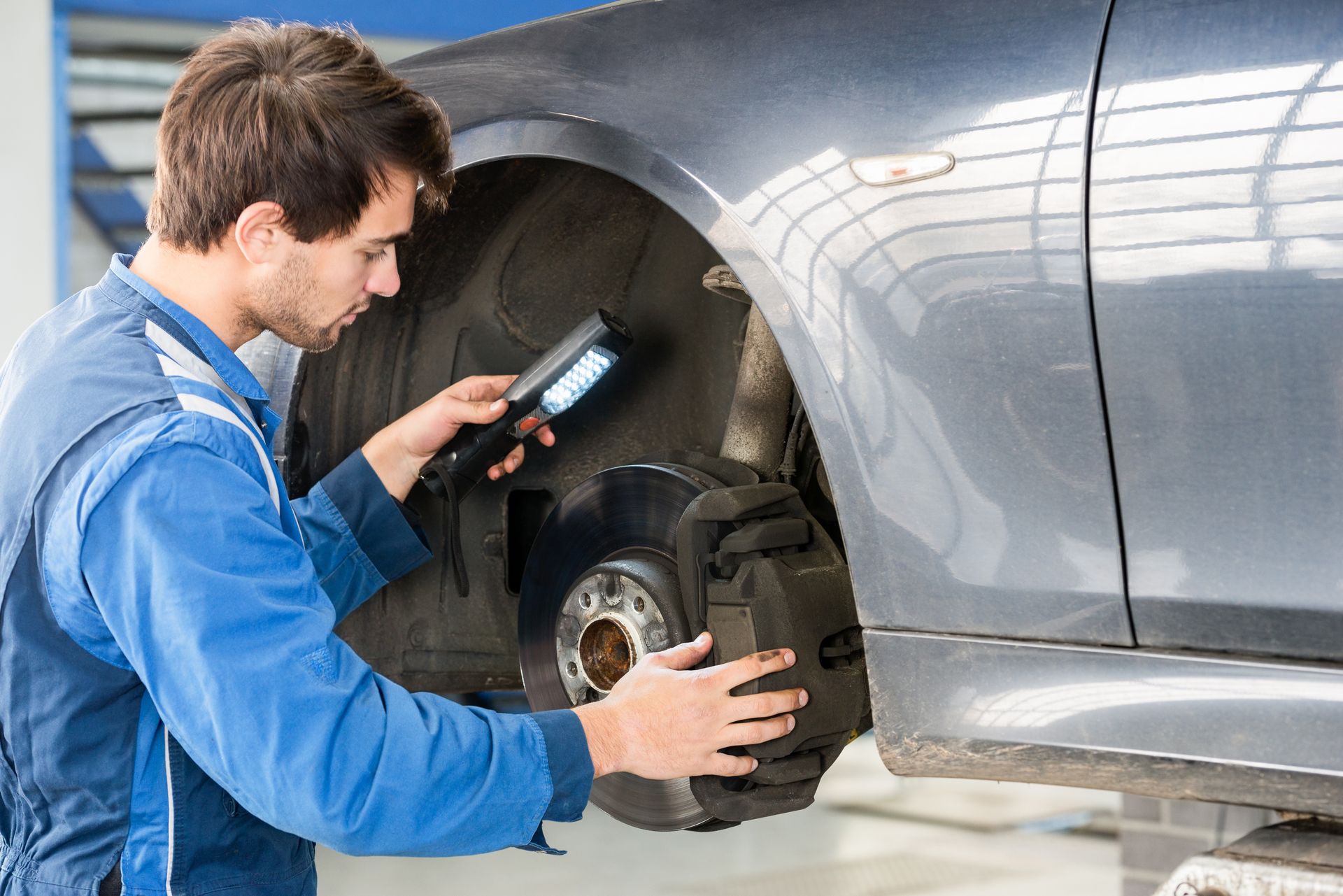
A technician may recommend checking oil pressure, listening for internal noise, examining the filter for metal, or inspecting beneath the valve cover. If the engine burns oil, smokes, or makes persistent noise after service, further testing can determine whether neglect has caused mechanical wear.
How To Choose The Correct Oil Change Interval
Follow the manufacturer’s time and mileage recommendations, but consider how the vehicle is driven. Frequent short trips, heavy traffic, towing, long idle periods, and repeated cold starts can contaminate oil sooner than steady highway travel.
Dashboard oil-life systems can help estimate service timing, but they do not measure the oil level or detect leaks. The correct viscosity and manufacturer specification are also essential. Accurate service records make it easier to track intervals and avoid unintentionally driving far beyond the recommended point.
Get Oil Change Service In Houston, TX, With Total Auto Services
Total Auto Services in Houston, TX, can replace your engine oil and filter, verify the correct specification, and check for leaks, low oil pressure, or signs of developing engine wear.
Contact us to schedule oil change service before degraded oil, sludge, or low lubrication leads to expensive damage.