Few things make a driver’s heart skip a beat quite like the sudden illumination of the check engine light. Whether you’re commuting through Houston traffic or heading out on a weekend adventure, seeing that small, glowing icon can spark worry and confusion. While it can indicate anything from a minor issue to a more serious problem, understanding what your check engine light means—and how to respond—can help you protect your vehicle, save money, and prevent unexpected breakdowns.
At
Total Auto Services
, we’ve spent over 40 years helping Houston drivers diagnose and repair engine and vehicle issues with confidence. Our certified technicians combine experience, advanced diagnostic tools, and genuine care to ensure your car performs safely and efficiently. Here’s a comprehensive look at what the check engine light really signifies and the best steps to take when it comes on.
Understanding the Check Engine Light
The check engine light is part of your car’s onboard diagnostics (OBD) system, a network of sensors and computers that monitor key systems including the engine, transmission, and emissions. When the vehicle detects an issue—whether it’s a small sensor malfunction or a critical engine fault—the light illuminates to alert you.
Modern cars are incredibly complex machines, and the check engine light acts as an early warning system. Ignoring it can lead to more expensive repairs, reduced fuel efficiency, and in some cases, damage to vital components. Conversely, addressing the light promptly can prevent minor issues from escalating.
Common Causes of the Check Engine Light
While the check engine light can be triggered by a wide range of issues, several problems are more common than others. Understanding these causes can help you respond appropriately.
1. Loose or Faulty Gas Cap
Surprisingly, one of the most frequent causes is a loose or damaged gas cap. A properly sealed gas cap maintains pressure in your fuel system and prevents harmful emissions from escaping. If it’s loose or cracked, the car may trigger the check engine light. This is often an easy fix—simply tightening or replacing the gas cap may resolve the issue.
2. Oxygen Sensor Malfunction
Your vehicle’s oxygen sensor measures the level of unburned oxygen in the exhaust and helps regulate the air-to-fuel ratio for optimal performance. A failing oxygen sensor can lead to decreased fuel efficiency, higher emissions, and potential long-term damage to your catalytic converter. Replacing a faulty sensor is critical to maintaining engine health.
3. Catalytic Converter Problems
The catalytic converter reduces harmful emissions from your vehicle. If it becomes clogged or damaged, it can cause poor fuel economy, increased emissions, and a triggered check engine light. Ignoring catalytic converter issues can result in expensive repairs and may prevent your car from passing state emissions testing.
4. Spark Plug or Ignition Coil Issues
Spark plugs and ignition coils ignite the air/fuel mixture in your engine. Worn spark plugs or failing ignition coils can cause engine misfires, rough idling, and performance problems. These issues often lead to a check engine light and require timely repair to prevent more serious engine damage.
5. Mass Airflow Sensor Failure
The mass airflow sensor calculates the correct amount of fuel your engine needs based on incoming air. A faulty sensor can result in poor acceleration, stalling, and reduced fuel efficiency. Replacing a malfunctioning sensor ensures your car continues to run smoothly.
6. Exhaust Gas Recirculation (EGR) Valve Malfunction
The EGR valve recirculates a portion of exhaust gases back into the engine to reduce emissions. When it fails, you may notice rough idling, poor acceleration, or increased emissions. Professional evaluation and repair are necessary to restore proper engine function.
What to Do When the Check Engine Light Comes On
Seeing your check engine light illuminate doesn’t mean immediate panic, but it does signal that action is needed. Here’s how to handle it effectively:
- Stay Calm and Assess the Situation:
A steady light typically indicates a moderate issue, while a flashing light may signal a serious problem requiring immediate attention.
- Check for Obvious Issues:
Start with simple checks, such as ensuring your gas cap is tight and undamaged. Often, minor fixes can resolve the warning.
- Consult Your Owner’s Manual:
Your vehicle manual provides guidance on check engine light behavior and what different patterns or flashes mean for your specific car model.
- Use a Diagnostic Scanner:
OBD-II scanners can read the trouble codes causing the light to come on. Many auto parts stores offer free scans, which can help you understand the issue before visiting a professional.
- Visit a Certified Mechanic:
If the light persists or your vehicle shows performance issues, a certified auto repair shop like
Total Auto Services
is your best option. Our skilled technicians use advanced diagnostics to identify the problem quickly and recommend the most effective repair.
Preventing Check Engine Light Surprises
Regular maintenance is key to minimizing check engine light alerts. At
Total Auto Services
, we provide a full spectrum of preventive services:
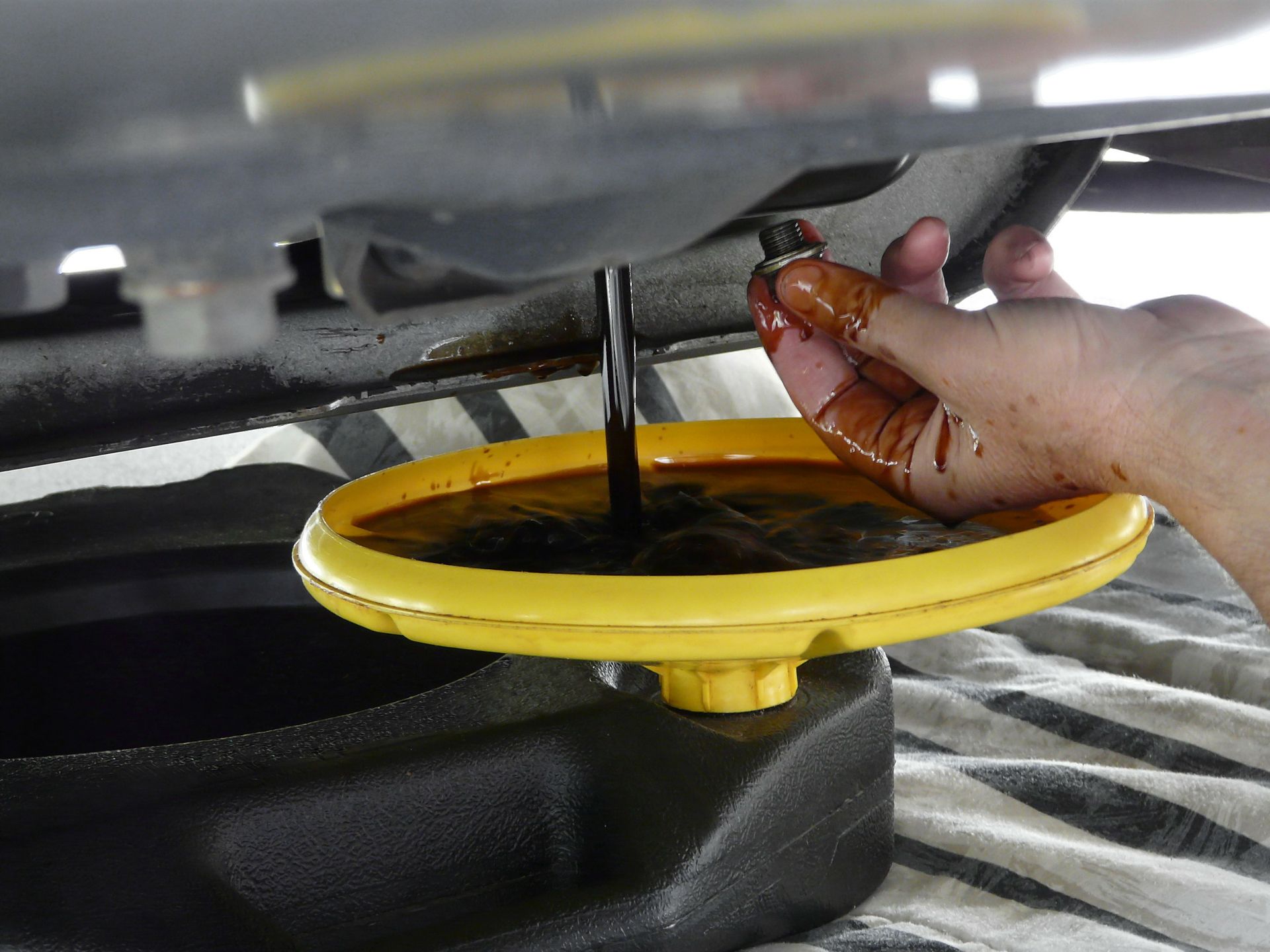
- Routine
oil changes
and fluid checks
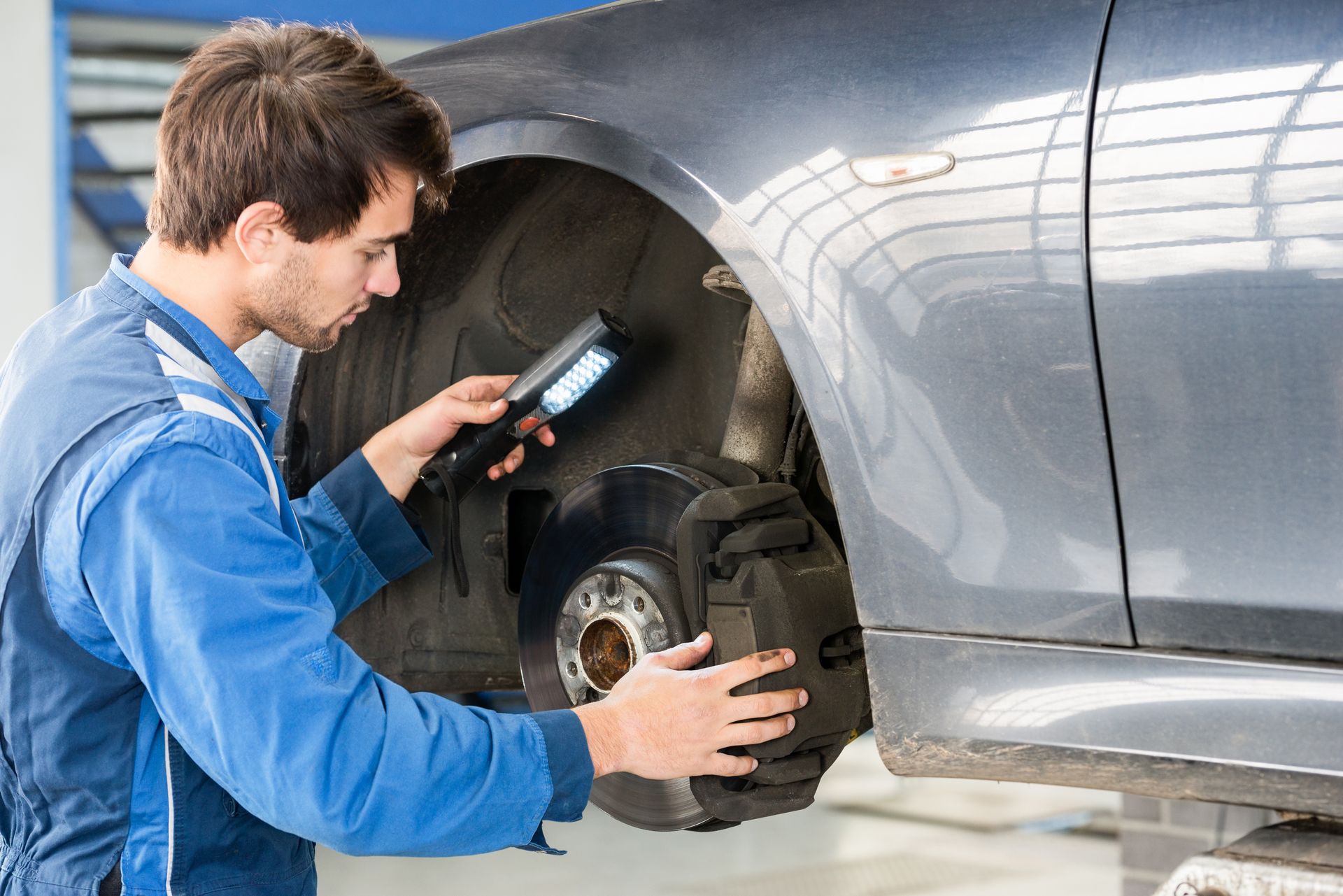
- Brake service
and tire rotations
- Multi-point inspections
to catch issues early
- Engine and transmission
diagnostics and repairs
- Electrical system checks and
programming
By adhering to your vehicle’s maintenance schedule and addressing small problems promptly, you can prevent costly repairs and keep your car running at peak performance.
Why Houston Drivers Trust Total Auto Services
Since 1984,
Total Auto Services
has been a trusted name for auto repair and custom upgrades in Houston. Our shop combines decades of experience with the latest tools and technology to provide dependable service for every vehicle we work on.
- Certified Technicians:
Our repairs are backed by a 24-month warranty on parts and labor through TechNet Automotive Service.
- Comprehensive Auto Care:
From engine repair and suspension upgrades to advanced electrical diagnostics, we handle every repair under one roof.
- Fleet-Approved Service:
Trusted by top fleet companies like Enterprise and Element for reliable, timely maintenance.
- Flexible Financing:
With options through Koalifi and DigniFi, you can get the work your car needs without financial stress.
Whether it’s a minor sensor replacement, a catalytic converter repair, or a full engine rebuild, we provide transparent service and long-lasting results.
Your check engine light is more than a warning—it’s an opportunity to protect your vehicle and your investment. When it comes on, don’t wait or guess. Trust the certified experts at
Total Auto Services
to diagnose the problem, perform expert repairs, and get you back on the road safely and efficiently.
Take control of your vehicle’s health today.
Schedule an appointment online
or call Total Auto Services in Houston
to ensure your car runs reliably for years to come.